
How to Choose the Right Bowling Ball for Your Game
Choosing the right bowling ball can dramatically improve consistency, scoring potential, and overall enjoyment of the game. Several key factors influence how a bowling ball performs on the lane, including coverstock type, oil patterns, hook potential, and a bowler’s skill level. Understanding these elements helps bowlers make smarter equipment choices and get the most out of their game.
Reactive vs. Urethane Bowling Balls
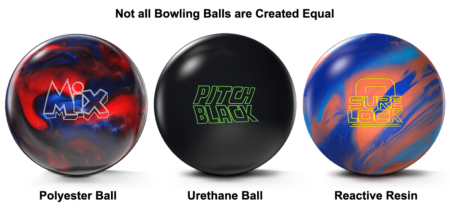
One of the biggest differences between bowling balls is the coverstock material. Two of the most common performance coverstocks are reactive resin and urethane.
Reactive resin bowling balls are the most popular option for modern bowlers. They are designed to create more friction with the lane, producing stronger hook potential and greater pin action. Reactive balls are ideal for most league conditions and are widely used by intermediate and advanced bowlers looking to maximize scoring potential.
Urethane bowling balls, on the other hand, produce a smoother and more controlled reaction. Instead of making a sharp move toward the pocket, urethane balls provide a more gradual hook shape. Many experienced bowlers use urethane on shorter oil patterns or when they need additional control on challenging lane conditions.
Understanding Oil Patterns
Bowling lanes are coated with oil to protect the lane surface and influence ball motion. The length and volume of oil patterns play a major role in determining which type of bowling ball will perform best.
-
Heavy oil conditions generally require stronger reactive coverstocks that can create more traction.
-
Medium oil patterns are the most common in league play and work well with many reactive resin bowling balls.
-
Short or lighter oil patterns often favor smoother options like urethane that provide better control.
Matching the ball to the lane condition is one of the most important adjustments bowlers can make.
Beginner vs. Advanced Bowlers
Skill level also plays an important role in equipment selection.
Beginner bowlers typically benefit from more controllable equipment such as plastic or entry-level reactive bowling balls. These options provide predictable motion and help new players focus on fundamentals like targeting and release.
Advanced bowlers, especially those competing in leagues or tournaments, often use high-performance reactive bowling balls designed to create stronger motion and increased hook potential. These balls allow experienced players to manipulate lane conditions and generate greater pin carry.
Hook Potential and Coverstocks
Hook potential refers to how aggressively a bowling ball curves toward the pocket. Balls with higher hook potential create more angle into the pins, which can increase strike percentage when used properly.
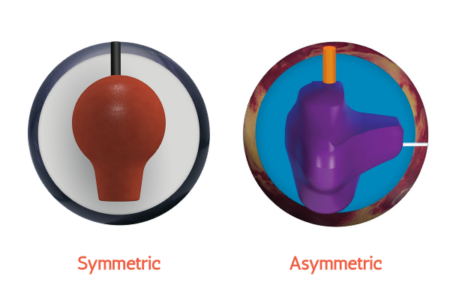
Coverstock material is the primary factor that determines hook potential. Reactive resin coverstocks generally produce the most hook, while urethane offers smoother, more controlled motion. Additional factors such as surface finish and core design also influence overall ball reaction.
Understanding how these elements work together helps bowlers select equipment that matches their style, skill level, and lane conditions. With the right bowling ball, players can achieve better control, improved consistency, and ultimately higher scores on the lanes.